Basketix Glossary : The Hook Shot
Basketball isn’t just about thunderous dunks and three-pointers. There’s also the art of the hook shot. Today, we’re breaking down the most unstoppable shot in the history of the game: the hook shot.
What Is a Hook Shot? (A Definition for Beginners)
The “hook shot” is the absolute nightmare of interior defenders. Picture the scene. You have your back to the basket, planted in the paint. Your defender is glued to you. It’s impossible to turn around and take a standard shot without getting blocked. The solution? The hook shot. Personally, it’s my secret weapon on the playgrounds.
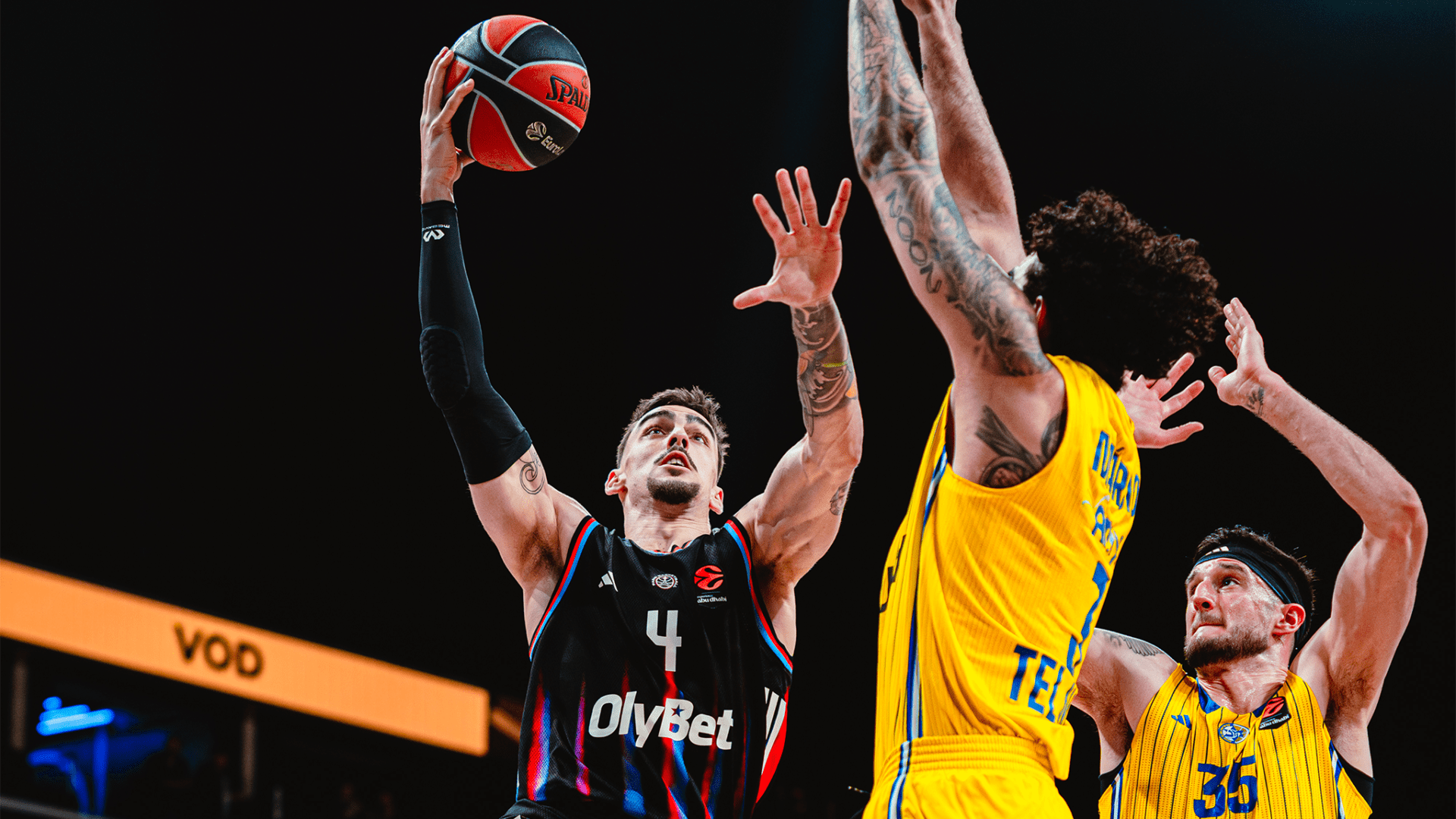
The movement is pure biomechanics. You pivot on your pivot foot so that you’re facing sideways to the circle. Your body acts as a natural shield. You lift the ball with one hand, your arm extended in an arc (like a hook, hence the term “hook”) away from the defender. The opposite arm remains bent to push the opponent away and protect the ball. The ball leaves your hand at the peak of the extension, often followed by a gentle flick of the wrist to soften the trajectory off the backboard or straight into the net.
The result: a shot that’s virtually impossible to block. The release point is too high and too far from the defender’s line of sight. You don’t need a phenomenal vertical leap. It’s a shot that requires intelligence, reach, and touch. The quintessential fundamental.
The Place of the Hook Shot in Modern Basketball
The game has changed. The court has spread out. Analytics and the three-point shot reign supreme in today’s NBA. The direct consequence: the pure, classic back-to-the-basket game has drastically declined. The grand, majestic hook shot taken from a distance has become a relic of the past.
But don’t be fooled – the move isn’t dead. It’s simply evolved. Today, coaches and big men talk about the “baby hook” or the “jump hook.” The principle remains the same, but the execution is faster, taken from closer range, often with a two-foot jump to gain speed against defensive help. It’s the center’s surgical tool against an aggressive defense.
When play in the half-court grinds to a halt, or when a guard finds himself stuck guarding a big man (a mismatch), the baby hook remains basketball’s most reliable shot. Near the basket, a good big man will convert this move with over a 55% success rate. It’s a low-risk shot. Less viral on social media than a blistering step-back, but essential for controlling the paint and guaranteeing easy points when the offense stalls.
The masters of the move: those who have elevated the hook shot to an art form
One name clearly stands out from the rest: Kareem Abdul-Jabbar. He didn’t invent the move, but he perfected it to the point of absurdity with his legendary “Skyhook.” Standing at 7 feet 2 inches tall, with his arm fully extended, Kareem released the ball from a height of over 10 feet. Utterly unstoppable. It was on this move that he built a large part of his career record of 38,387 points. A statistical anomaly.
Other giants took up the mantle with their own variations. Shaquille O’Neal used a powerful jump hook, relying on his mammoth frame to overpower his opponent before finishing with ease. Yao Ming, at 7 feet 6 inches, used a short hook shot that literally soared over the defense.
The Legendary Play: Magic in 1987
1987 NBA Finals. Game 4 at Boston Garden. The Lakers trail the Celtics by one point. There are two seconds left on the clock. Magic Johnson receives the ball and drives toward the center of the paint. Standing in his way are Kevin McHale and Robert Parish, two green mountains. Magic rises above the traffic and instinctively releases a skyhook over the forest of opposing arms. Swish. The ball goes through the net. The Lakers win 107-106. That shot, dubbed the “Junior Skyhook,” would seal the title for Los Angeles that year.
 Article by alexis gallot
Read also
Yann Bonato: career, honours and playing style of the French national team’s ‘vine’
Isiah Thomas, the ‘Little Prince’ of the ‘Bad Boys’ who brought the NBA’s giants to their knees
Sue Bird : the legendary point guard who dominated the WNBA for 21 years

Top 10 best playgrounds in Greater Paris
Jean-Michel Sénégal, ‘Segalo’ : the most experienced playmaker of a generation of Les Bleus
John Stockton : career, records, statistics and honours of the Jazz point guard
Latest items

The top 10 all-time greatest moments in NCAA history
Jalen Brunson : from overlooked prospect to King of New York
Kevin Durant: career, statistics and honours of an NBA legend who is still playing