The Post-up : Basketball Glossary
Modern basketball is fast-paced. Transition, three-pointers, space. Yet the art of the post-up remains a lethal weapon. An anchor in the chaos. The surest way to guarantee two points. Or to throw a defense off balance. It is the DNA of the inside game.
Definition of post-up for basketball players
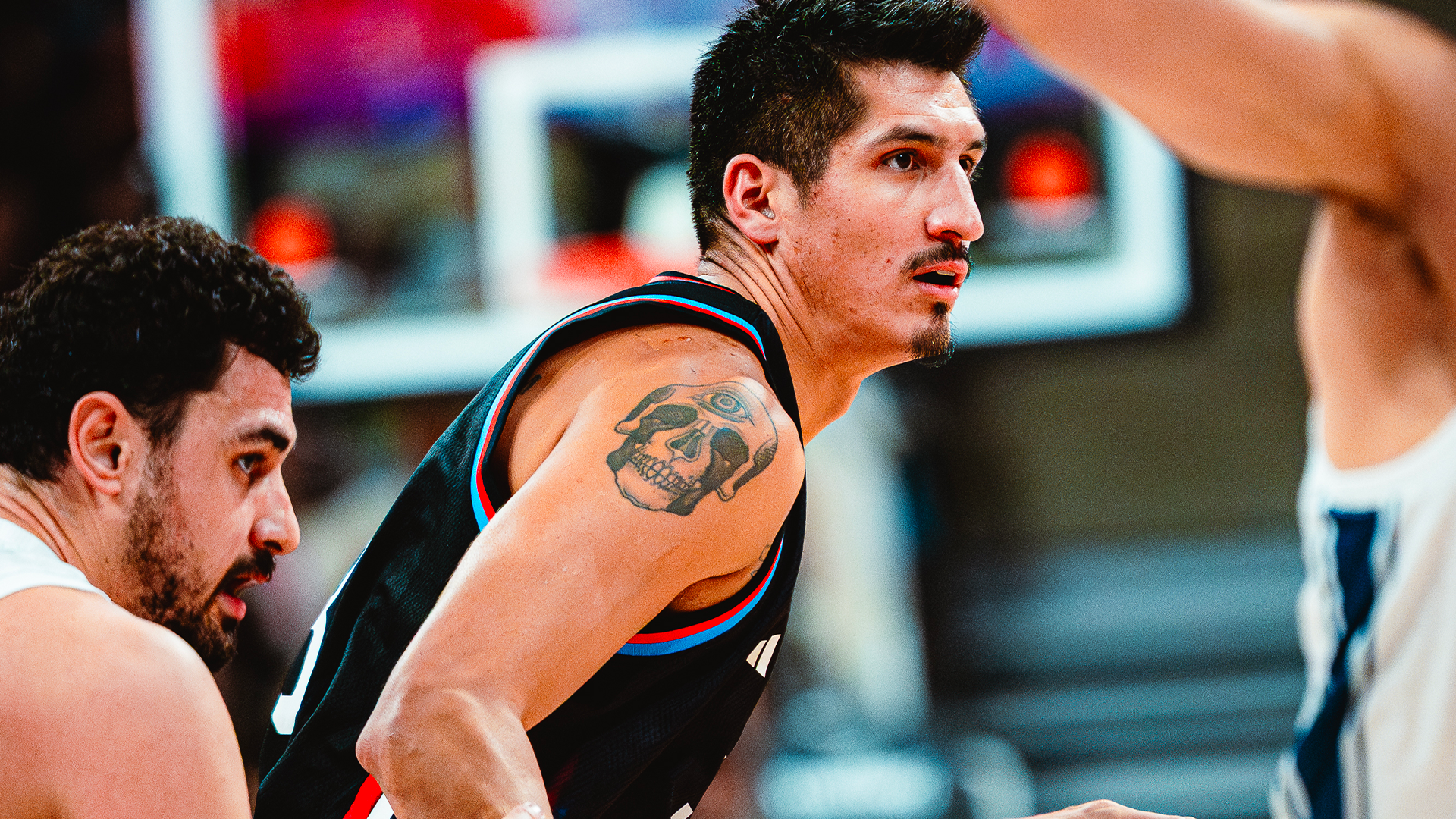
The post-up is a one-on-one offensive move. The player positions himself with his back to the basket. He stands in the low post, often in the key or just outside it. It’s a battle of positioning. The attacker uses his strength and size to push his defender away. He creates the space he needs to receive the ball.
Once the pass is received, it’s time to execute. The player has a range of moves at their disposal: the hook shot, the fadeaway, the simple double-step while turning around. The goal is simple: to score very close to the hoop. It’s the ideal move for exploiting a physical advantage (height or power). It protects the ball from the defense behind them. The post-up is about imposing your will on your opponent. It’s a low-frequency but highly effective tactic. It forces the defender to react. It’s a move designed to punish, immediately.
The role of the post-up in modern basketball
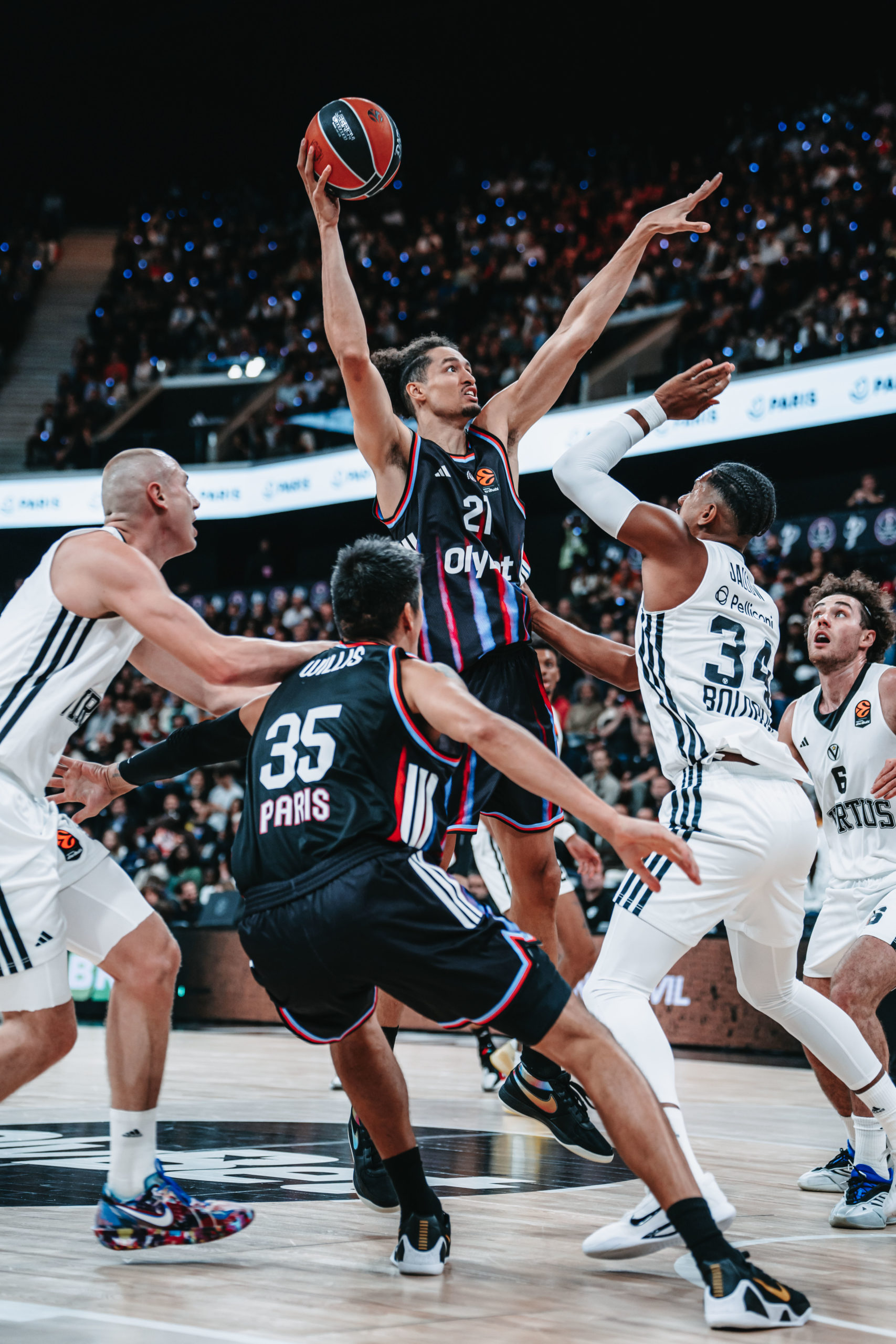
In the era of “Small Ball,” the post-up seems archaic, but that’s not true. It’s more relevant than ever and remains a safer alternative to a 3-point shot. And a good basketball offense is a varied offense with lots of options.
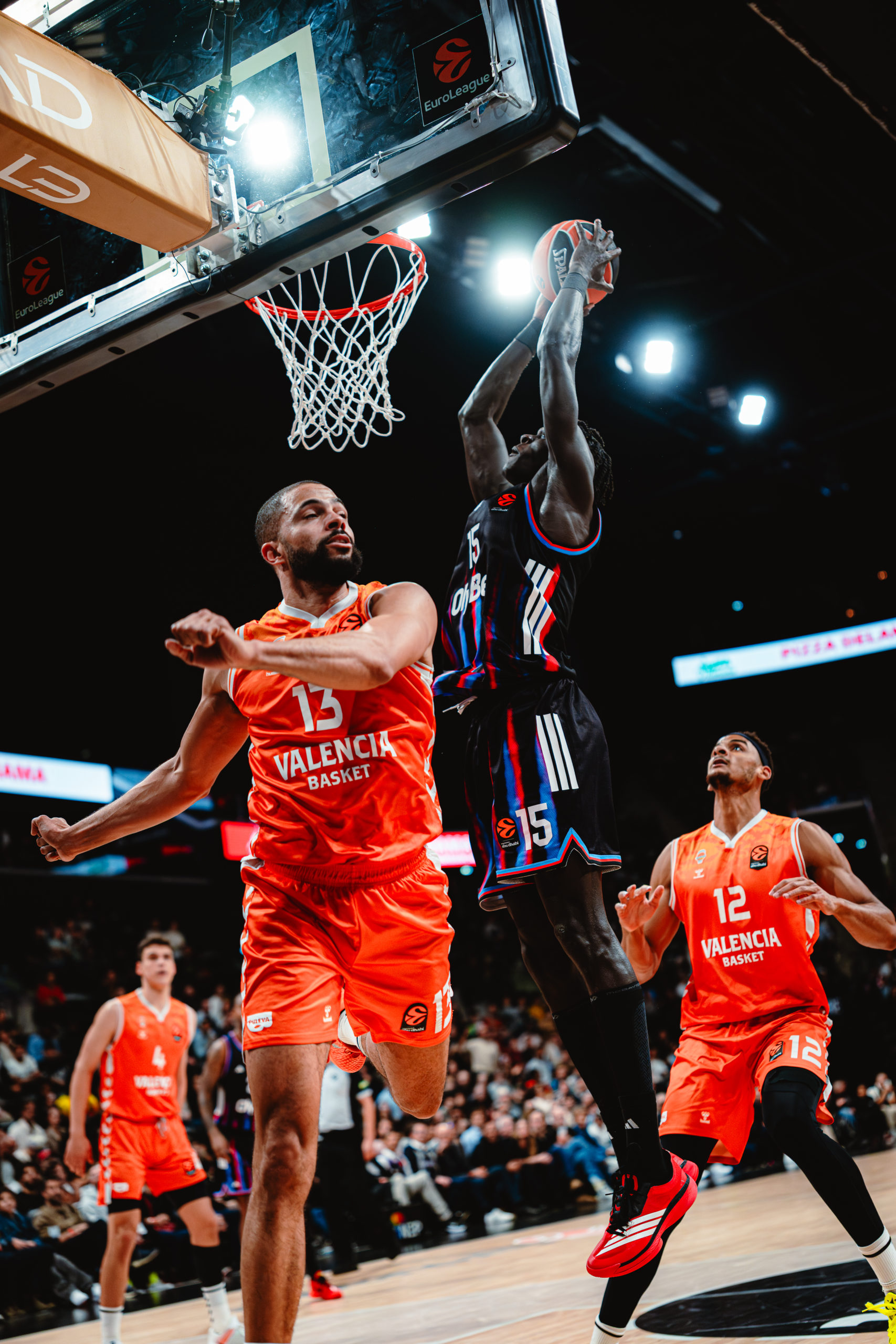
Strategically, it forces defensive adjustments. A dominant player in the post inevitably attracts help. A double team is often necessary. This disrupts the opposing team’s defensive rotation. The attacker can then score, or pass the ball out to a teammate who is wide open for a three-pointer. This is the principle of “Dribble, Penetration, Kick-out,” post version.
In addition, it provides an anchor point in attack. A way to calm the game down after a fast break. It ensures a certain success rate (proximity to the basket). In the imagination, it represents technical power. A player capable of post-up is complete. It is proof of a high basketball IQ. Teams that master it (such as the Denver Nuggets with Jokic) have a structural advantage. The post-up creates space for outside shooters or for the inside player who can score a quick two points.
The Masters of Post-Up :
The post-up has its gods. Especially centers—we have almost the top five centers of all time :
- Hakeem Olajuwon: The “Dream Shake.” Ouch, when Hakeem got the ball in the low post, his footwork was often too fluid, too fast for the bigger players, and it hurt. Body feints, sidesteps, counter-footwork. He made the centers dance. Olajuwon exploited his speed and technique. Technical perfection in the low post.
- Kareem Abdul-Jabbar: The “Sky Hook” was his signature move. KAJ would receive the ball with his back to the basket and his unstoppable hook shot would do the rest. Kareem made it the most prolific weapon in history (NBA’s leading scorer for decades). The absolute master of the back-to-the-basket move.
- Shaquille O’Neal: Another style, his post-up was a steamroller. He didn’t need complex feints. Shaq would receive the ball and push the defender under the basket, then posterize us all. Is basketball simple? One step. A devastating dunk. His percentages at the hoop were stratospheric. A force of nature, legally unstoppable.
- Nikola Jokic: The center-point guard uses the post-up as a passing base. He scores, but above all he distributes. His effectiveness in the post makes the Nuggets’ offense unpredictable. The low post at the service of the team.
A Legendary Action
We don’t necessarily have any legendary plays to show you here, but we’re not going to deprive ourselves of a little Dream Shake mix from Hakeem Olajuwon, because he drove them crazy. And let’s be honest, it’s pretty cool to watch.
 Article by alexis gallot
Read also

Top 10 all-time best national teams
MIAMI HEAT 2012-13 : The King’s era in back-to-back mode
The 95-96 Bulls : The Ultimate Team

Top 10 all-time best Euroleague point guards
Milwaukee Bucks 1970–1971 : Year Zero

Top 10 favorites for March Madness 2026
Latest items
Top 5 All-Time NBA Scorers
Kobe Bryant : The Black Mamba

Top 10 all-time best WNBA players