The Free Throw : Basketball Glossary
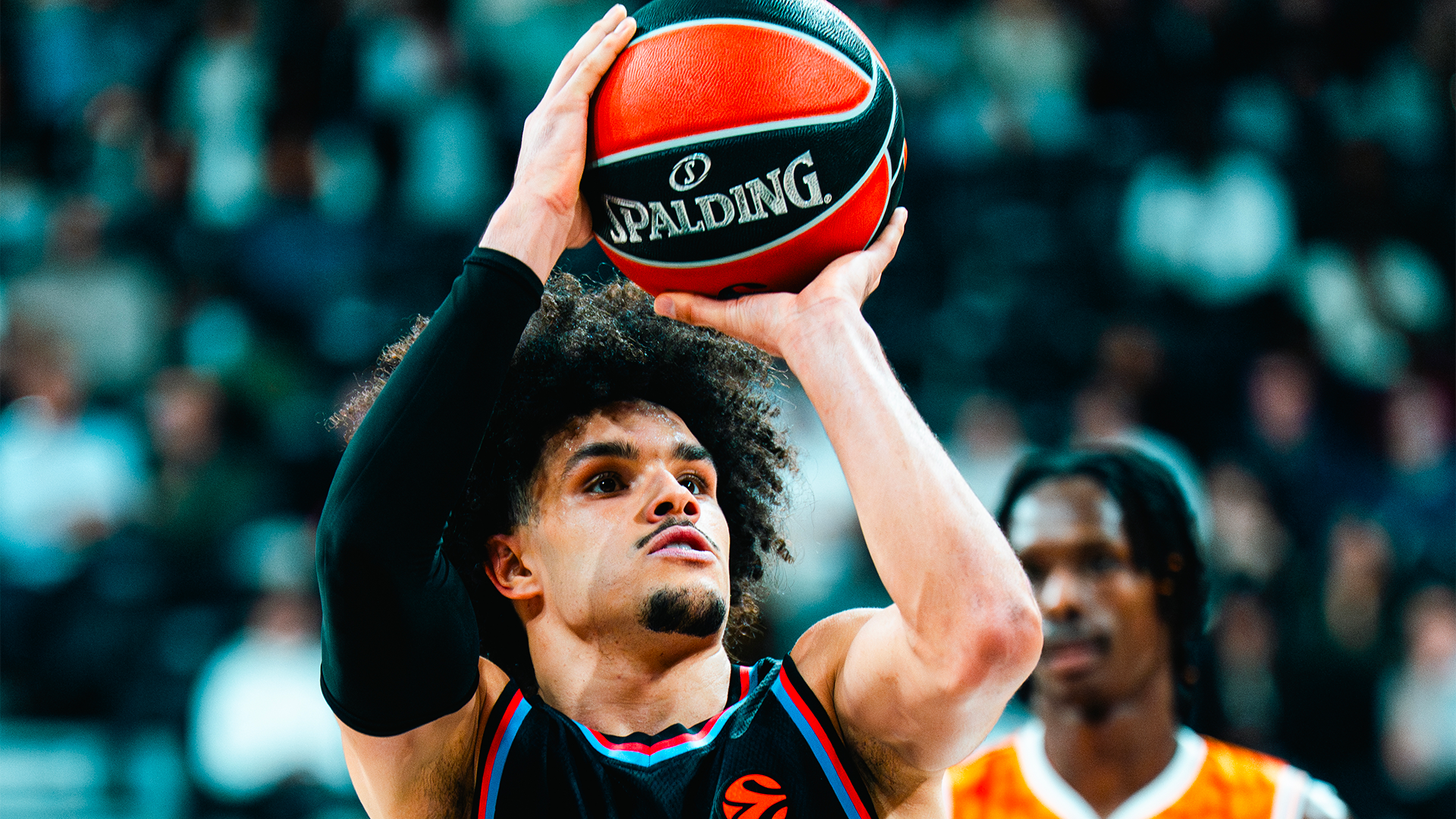
The free throw is one of the most intriguing fundamentals in basketball. It is a moment of truth, of maximum pressure, where the duel is played against oneself. Here is our analysis, from a knowledgeable basketball perspective.
Definition of a free throw in basketball
For the novice, the free throw is the “free” point in basketball. It is the equivalent of a set piece in soccer, but without a wall. It is the direct penalty for a foul committed by the opposing team.
In simple terms: when a player commits a personal foul, they get the chance to score an uncontested point per attempt from the 15-foot (4.57-meter) line. The shooter is alone, and the clock is stopped. The basket is always worth 1 point. Depending on the situation, they can score two points (foul on a 2-point shot, or foul without a shooting situation after a certain number of team fouls) or three points (foul on a 3-point shot).
Naismith, the game’s creator, introduced it to balance the game; he even said that “the game is not won by free throws, it is lost by fouls.” This is the very essence of the discipline: to punish excessive aggression and encourage fair play.
The role of the free throw in modern basketball
The free throw has evolved from a simple penalty to a crucial strategic weapon. In today’s basketball, where offense reigns supreme and possessions are few and far between, getting free throws is a possession win. It is the most effective way to guarantee a point, with an NBA conversion average of around 78%.
Today, there is a real strategy around “foul baiting” (provoking fouls). Players like Shai Gilgeous-Alexander (SGA) of the Thunder have become masters of this art. Often criticized as a free throw merchant, SGA is unfazed, as he is the reigning MVP and Finals MVP. His 10.6 free throw attempts per game in 2023-2024 are not the result of collusion with the referees, but a direct consequence of his ultra-aggressive style. He drives to the basket more than anyone else, forcing the defense to foul. The free throw is the reward for offensive aggression and a guarantee of easy points in an increasingly sophisticated game.
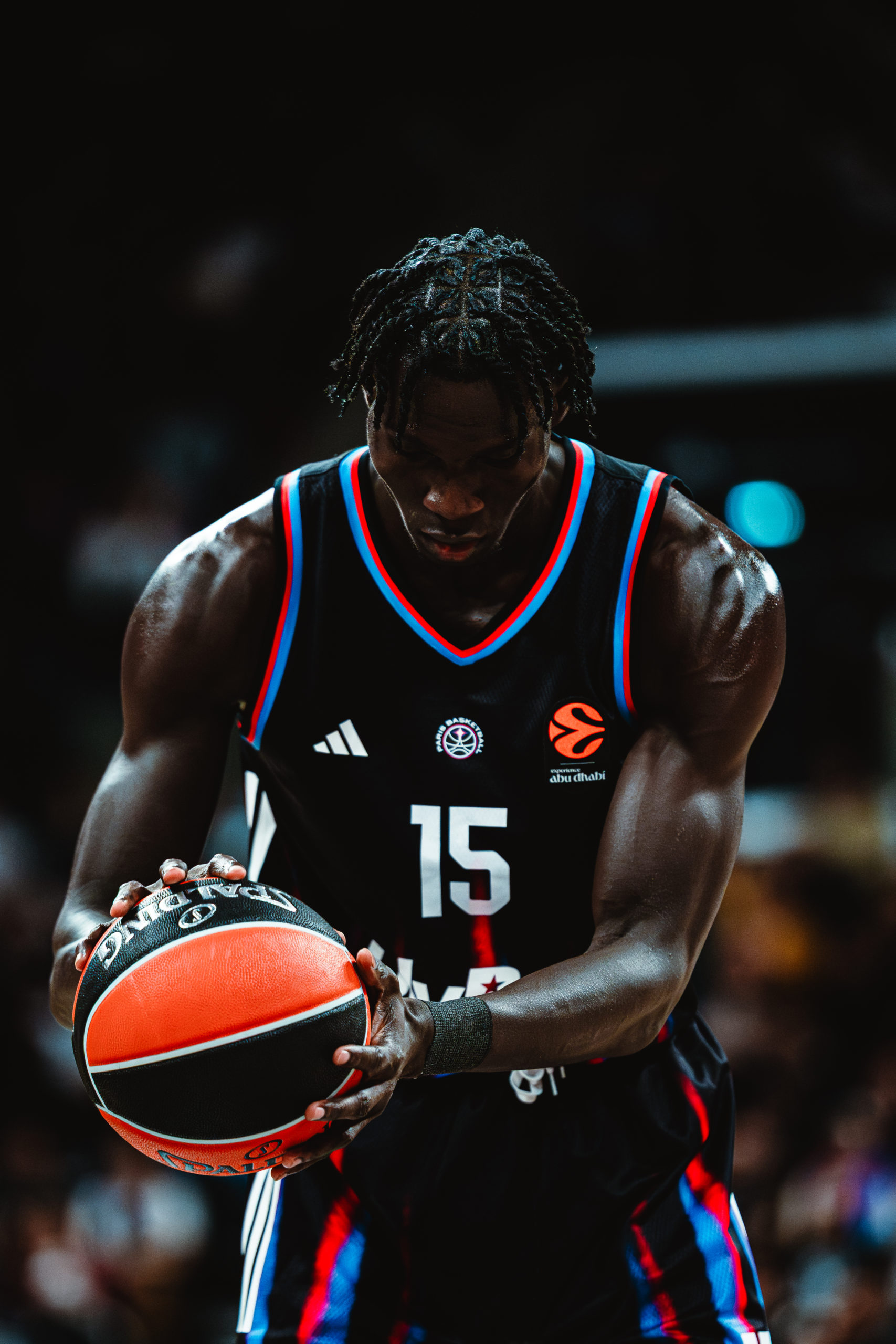
In this team sport, the free throw also represents a moment when the player is alone facing the basket, with all eyes on him. It can be a decisive action that ends a game or… a big moment of choking with two missed shots in the last minute. It is a ruthless exercise where all the pressure is concentrated on the shoulders of a single player.
The absolute masters of the line
When talking about free throws, there are two types of masters: those who excel in percentage and those who excel in volume.
In terms of accuracy, the historical benchmark is Rick Barry, the forward from the 1960s and 1970s, famous for his underhand shot. His unique technique allowed him to post a career percentage of 90.0%, a record at the time. More recently, the single-season percentage record belongs to shooting expert José Calderón with 98.1% (97/99) in 2008-2009.
In terms of volume and impact, it’s impossible to ignore LeBron James and especially James Harden. Harden, during his years with the Rockets, perfected the art of drawing fouls with step-back moves and calculated contact. He led the league in free throw attempts eight times in nine seasons (2014-2022).
A Legendary Play: The “Hack-a-Shaq”
On one side, the masters; on the other, our Shaq. The free throw is also at the heart of one of the most controversial strategies in history: “Hack-a-Shaq.” This tactic involved deliberately fouling a player known to be weak at free throws, even when they didn’t have possession of the ball, to send them to the line. The goal? To break the offensive rhythm and waste possessions, betting on his failures. Despite his physical dominance, Shaq only converted 52.7% of his attempts in his career. Hack-a-Shaq highlighted the crucial importance of this simple move, capable of paralyzing a 7-foot superstar and turning a game around. Well… they still managed a 3-peat, because defenses had no one else to stop Shaq, who still averaged over 30 points in the three playoff campaigns they won.
 Article by alexis gallot
Read also
Milwaukee Bucks 1970–1971 : Year Zero
Top 10 favorites for March Madness 2026
Bob Pettit : The Bomber from Baton Rouge
CELTICS 1986 : The height of dominance
Walt Frazier : When the Garden Was Eden
Top 10 NBA Draft 2026
Latest items
MIAMI HEAT 2012-13 : The King’s era in back-to-back mode
The 95-96 Bulls : The Ultimate Team
Top 10 all-time best Euroleague point guards